
Buying Property in Andalusia
From the first property search to the moment you receive your keys.
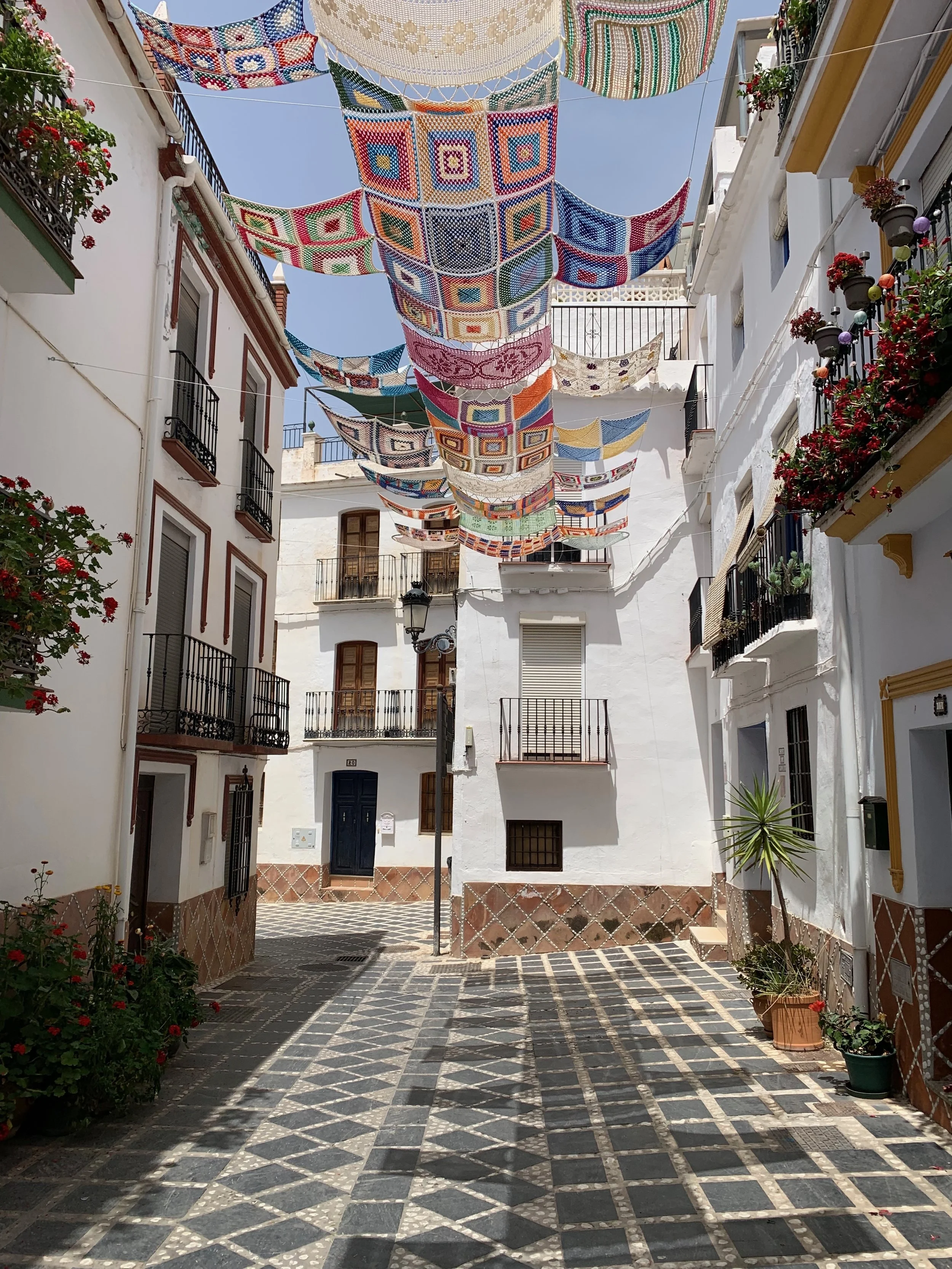
Buying a home in Andalusia should be an exciting experience, but it also involves important decisions, legal procedures and costs that may be unfamiliar to international buyers. At Andalusia Casa, we've been through the process ourselves. We know that finding a property you love is only one part of the journey.
This guide explains the main steps, what to expect and what to consider before making a commitment.
01. Finding the Right Property
Start with the place, not just the property.
Before looking at individual homes, think about how you want to spend your time in Andalusia.
Are you looking for a holiday retreat, a permanent home, somewhere to spend the winter, or a property you may eventually rent out?
The answers will influence where you should search.
A traditional village house in the mountains offers a very different lifestyle from an apartment near the beach. Both may be attractive, but the right choice depends on your priorities.
What happens at this stage?
We discuss your budget, preferred locations and intended use.
We help identify potentially suitable properties and arrange viewings with local partners.
You can also send us listings you've found on property portals or other agency websites.
We help you compare properties, locations and practical considerations.
What we'd want to know before buying
Would you still enjoy living here in January, not just during a summer holiday?
Consider access, parking, nearby services, transport, noise, maintenance and how the location works outside the tourist season.
A good property in the wrong location is rarely a good purchase.
02. Making an Offer and Negotiating
The asking price is a starting point, not necessarily the final price.
Property prices in Spain are often negotiable, but that doesn't mean every seller is willing to reduce their asking price.
The scope for negotiation depends on local demand, property condition, how realistically it is priced, the seller's circumstances and the strength of your offer.
Rather than automatically offering a fixed percentage below the asking price, we believe in understanding the property and negotiating from an informed position.
What matters when negotiating?
Comparing the asking price with genuinely comparable properties.
Understanding the property's condition and potential renovation costs.
Considering how long it has been marketed, where reliable information is available.
Understanding the seller's preferred timetable and conditions.
Presenting a credible offer with realistic financing and completion arrangements.
Negotiation isn't only about the price.
Sometimes the purchase conditions matter just as much. These may include furniture, repairs, documentation, payment arrangements or the completion date.
We help you consider these factors and negotiate with the selling agent or owner, as appropriate.
What we'd want to know before making an offer
What is the property really worth to you, including any work it needs? And what is the maximum price you would be comfortable paying?
Don't let the excitement of finding the right home push you beyond your original budget.
03. Reservation and Independent Legal Checks
Before committing your money, understand exactly what you're buying.
Once your offer is accepted, the next step often involves a reservation agreement and deposit.
However, the amount, timing and conditions vary between transactions. A reservation payment is not automatically refundable simply because you change your mind.
Before signing or transferring funds, ask an independent Spanish property lawyer to review the proposed arrangements and explain the risks.
Key matters to check
Ownership: Does the seller legally own the property and have the right to sell it?
Land Registry: Does the Nota Simple confirm the registered ownership, description and any mortgages or other charges?
Planning and legal status: Is the property legally authorised for its intended use?
Documentation: Does the actual property correspond with the registered and cadastral information?
Outstanding liabilities: Are relevant property taxes, community fees and other charges accounted for?
Community rules: Are there restrictions or planned expenditure affecting the property?
Physical condition: Would an independent technical inspection be advisable?
This is particularly important when buying older properties, rural homes, converted commercial premises or buildings that have been extended or renovated.
Andalusia Casa can help coordinate the process, but independent lawyers and qualified technical professionals should carry out the relevant professional checks.
What we'd want to know before paying a deposit
If a legal or planning problem is discovered, can you withdraw from the purchase and recover your deposit?
Make sure the written agreement answers that question clearly.
An attractive price cannot compensate for a property you cannot legally use as intended.
04. NIE, Banking and Purchase Preparation
Get the practical arrangements in place early.
International buyers usually need a Spanish foreigner's identification number, known as the NIE (Número de Identidad de Extranjero), for the purchase and associated tax formalities.
Depending on your circumstances, you may also need financing, arrangements for transferring euros, and documentation confirming the source of your funds.
Your lawyer and other authorised professionals can explain what is required for your particular transaction.
What to organise
NIE and identification documentation.
A clear budget, including taxes and professional fees.
Mortgage arrangements, if applicable.
A suitable method of transferring purchase funds.
Any required powers of attorney.
Documents required by the lawyer, bank or notary.
A practical consideration: Currency exchange
If your savings are held in a currency other than the euro (such as GBP, CZK or USD), exchange rates and transfer fees can affect the total cost of your property purchase.
Compare the total cost of transferring money, not just the advertised exchange rate.
Also consider whether your funds will be available when contractual payments become due.
What we'd want to know before proceeding
Do you have enough accessible funds not only for the purchase price, but also for taxes, fees and any unexpected costs?
A low purchase price does not necessarily mean a low total investment.
05. Contracts, Deposits and Payments
Know what you're signing, when you're paying and to whom.
Buying property in Spain can involve several contractual stages.
After an offer is accepted, buyers may sign a reservation agreement followed by a private purchase contract.
One common arrangement is a contrato de arras, but the legal consequences depend on the precise type of agreement and its wording.
In some transactions, the total deposit reaches approximately 10% of the purchase price. Others follow a different structure.
There is no single payment schedule that applies to every property.
Before signing, make sure you understand:
The agreed purchase price and what is included.
The amounts already paid and the remaining balance.
The recipient and legal treatment of each payment.
Conditions for withdrawal or cancellation.
The agreed completion date.
Any obligations relating to outstanding debts, repairs or documents.
Consequences if either party fails to complete.
Your independent lawyer should review the agreement and explain the consequences before you sign.
What we'd want to know before transferring money
Who receives the deposit, under what conditions is it held, and exactly what happens if the transaction does not proceed?
Never rely solely on verbal assurances about refunds or contractual conditions.
06. Purchase Taxes and Additional Costs
The advertised price is not the full cost of buying.
When calculating your budget, distinguish between the purchase price, transaction taxes, professional fees and costs that arise after completion.
The applicable taxes depend on whether the transaction is treated as a resale or a qualifying first supply of a property, among other circumstances.
Buying a resale property
In Andalusia, the general Property Transfer Tax (ITP) rate is currently 7% of the applicable taxable base.
Reduced rates may apply to certain qualifying purchases. They should not be assumed without checking eligibility.
Buying a newly built property
A qualifying first supply of a residential property generally attracts:
10% VAT (IVA).
1.2% Stamp Duty (AJD) at the general Andalusian rate.
Other tax treatments may apply to particular property types or transactions, including certain commercial premises and conversions.
Other purchase costs
Depending on the transaction, budget for:
Independent legal representation.
Notary fees.
Land Registry fees.
Technical surveys or inspections, where appropriate.
Mortgage-related costs, if applicable.
Translation and administrative services.
Currency conversion and transfer charges.
The taxable base may differ from the agreed purchase price, so your lawyer or tax adviser should check the relevant valuation rules.
What about ongoing costs?
Ownership also brings recurring expenses, including:
IBI: Annual municipal property tax, generally based on the property's cadastral value and the local authority's applicable rate.
Community fees: Charges payable to a community of owners where applicable.
Utilities: Electricity, water, internet and other services.
Insurance and maintenance: Particularly relevant for older buildings, terraces, roofs and properties left unoccupied for part of the year.
Non-resident property tax: Non-resident owners may have Spanish tax obligations even when a property is used personally and produces no rental income.
Rental-related costs: If you intend to let the property, consider tax obligations, management, maintenance and applicable rental regulations.
What we'd want to know before buying
What will this property cost to own every year, even if you don't rent it out and only use it for a few weeks?
The best comparison between two properties is not always their asking price. It is their overall cost of purchase, ownership and maintenance.
07. Notary, Completion and Getting the Keys
The moment your purchase becomes a reality.
The final stage normally involves signing the public purchase deed (Escritura Pública) before a Spanish notary.
Before completion, your lawyer should confirm that the necessary legal checks and contractual conditions have been addressed.
At completion, the outstanding purchase price is settled through the agreed payment arrangements, the deed is signed and possession is normally handed over as agreed.
What happens around completion?
Final documentation and figures are confirmed.
The buyer and seller, or authorised representatives, attend the notary.
The public purchase deed is signed.
The remaining purchase funds are paid as agreed.
Keys and possession are handed over according to the contract.
The relevant taxes and Land Registry formalities are subsequently completed.
It is important to distinguish between signing the deed and completing the subsequent registration and tax procedures.
What we'd want to know before signing
Is the property being delivered in the agreed condition, with the correct documentation, keys, access arrangements and any agreed furniture or equipment?
A final inspection before completion is often worthwhile.
08. After the Purchase: Becoming an Owner
Getting the keys is not quite the end of the journey.
Once the purchase is completed, there are still practical and administrative matters to arrange.
For an international owner, these can be unfamiliar — particularly if you don't speak Spanish or spend much of the year outside the country.
Your post-purchase checklist
Confirm completion of the relevant ownership registration procedures.
Arrange electricity, water and other utility account changes.
Set up appropriate payment arrangements.
Notify the community of owners, where applicable.
Arrange property insurance.
Understand when IBI and other local charges are due.
Check your Spanish non-resident tax obligations.
Organise local maintenance or property supervision if needed.
Check applicable permissions before offering the property for tourist or other rentals.
If the property requires renovation, seek advice on whether licences or other authorisations are necessary before starting work.
Andalusia Casa can help you identify the next steps and coordinate assistance from local professionals where agreed.
What we'd want to know after buying
Who will look after your property when you're not in Spain?
Even a relatively small apartment needs someone who can respond if there is a leak, maintenance problem or urgent issue.
Buying in Andalusia: Our Approach
We don't believe that buying a home in Spain should begin with a sales pitch.
It should begin with understanding what you're looking for, finding a place that suits your lifestyle and making sure you understand the responsibilities that come with ownership.
We've experienced the purchasing journey ourselves. Together with carefully selected local agents, independent lawyers and other professionals, we aim to make that journey more understandable and manageable.
Already found a property that interests you?
You don't need to wait for one of our own listings. Send us the details and we'll explore how we may be able to assist.
Important: This guide provides general information, not legal, tax or financial advice. Procedures, tax rates and obligations can change and depend on the individual property and buyer. Independent Spanish legal and tax advice should be obtained before making binding commitments.